AI-powered advertising is everywhere. Tools like Google Performance Max and Meta Advantage+ promised to make life easy for small business owners. Many thought they could just click a button and watch the sales roll in.
But for many, the reality is different. You might see your budget disappear with nothing to show for it. AI is not a magic wand. It is a machine that needs the right fuel and the right directions. If you give it bad info, it gives you bad results.
If you want to grow your company, you need to know how to manage these tools. Here are the seven most common mistakes small businesses make with AI ads and how you can fix them today.
1. Using "Garbage" Data
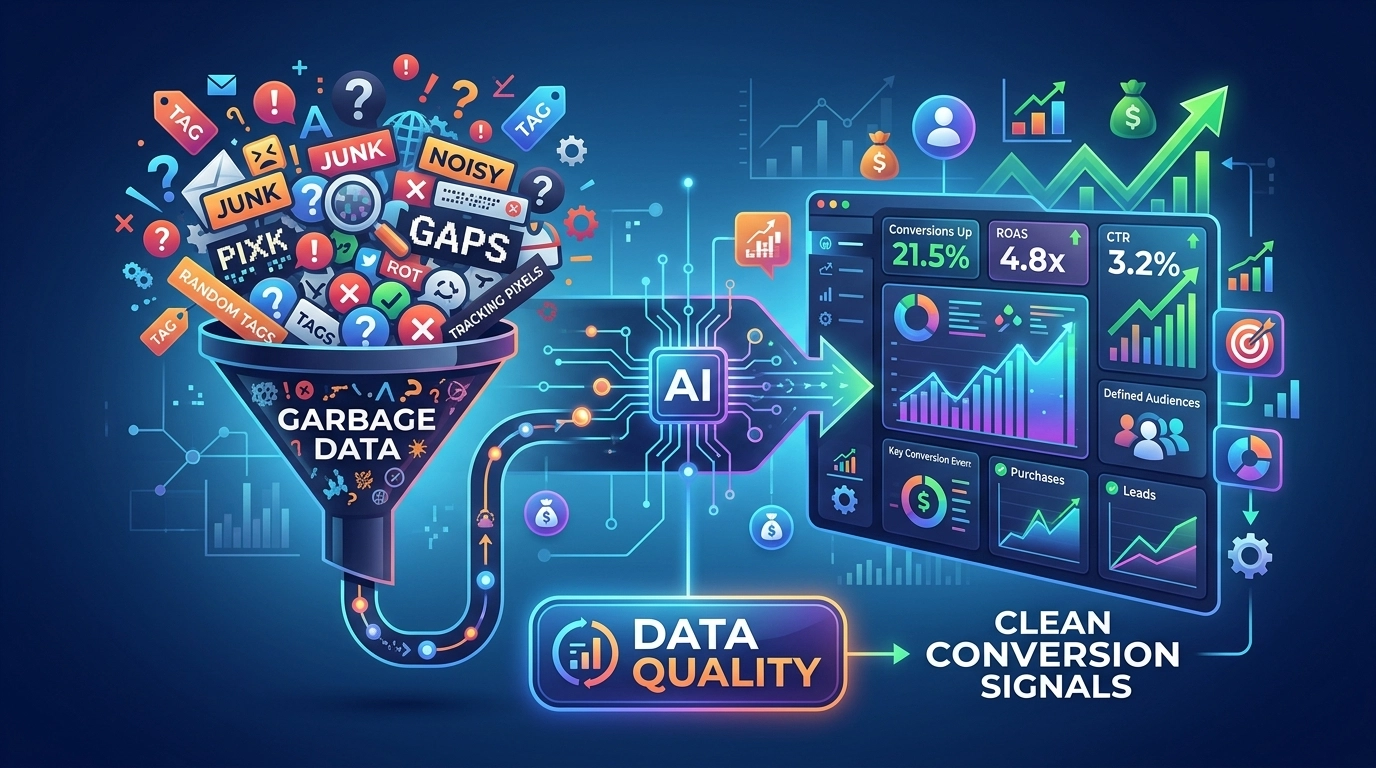
AI learns from what you tell it. If you do not have good conversion tracking, the AI is guessing. Many businesses set up ads but don't track what happens after the click.
When you don't track sales, the AI looks for "cheap clicks" instead of "good buyers." It might find thousands of people who click by accident. That is a waste of money.
How to fix it:
Make sure your tracking is perfect. Use the Google Tag or Meta Pixel correctly. Tell the AI exactly what a "win" looks like for you. Is it a lead form? A sale? A phone call? If the AI knows what a win looks like, it can find more people like your best customers.
2. Letting AI Bid on Your Brand Name
This is a sneaky mistake. AI tools love to show your ads to people who are already looking for you. For example, if someone searches for your company name, the AI shows them an ad.
This makes your reports look amazing. You see a high return on ad spend (ROAS). But these people were going to buy from you anyway. You are paying for clicks you would have gotten for free. This does not help you find new customers.
How to fix it:
Use "Brand Exclusions" in your campaigns. This tells the AI to focus on finding new people who don't know you yet. This is how you actually grow. If you want to handle your brand search separately, do it in a search campaign where you have more control.
3. Ads That Look "Too Artificial"
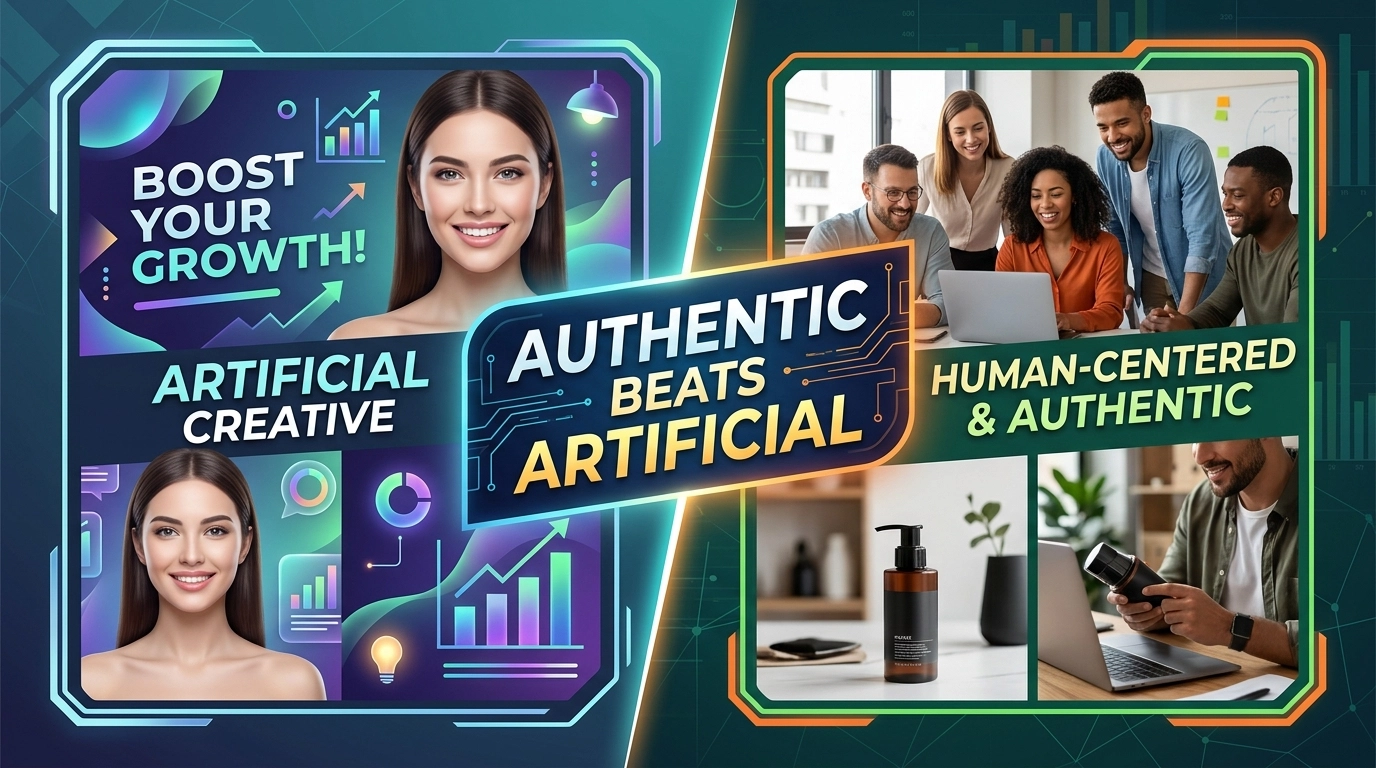
AI can write your headlines and create your images. This is fast, but it can be dangerous. People are getting very good at spotting "AI content." If your images look too perfect or your text sounds like a robot, people will keep scrolling.
When ads feel fake, trust goes down. For a small business, trust is everything.
How to fix it:
Use real photos of your products or your team. Keep the AI for the boring stuff, like making different sizes of your images. Write your own headlines that speak to your customers' problems. At International PPC, we find that authentic creative always beats generic AI-generated assets.
4. Putting All Your Products in One Basket
Many small businesses put all their products into one big AI campaign. They hope the machine will figure out which ones are best. The problem is that the AI will often spend all the money on one or two items and ignore the rest.
If you sell shoes and hats, you shouldn't put them in the same group. The people buying shoes are not the same as the people buying hats.
How to fix it:
Use "Asset Groups" or separate campaigns. Group similar items together. This lets the AI find the right audience for each category. It also helps you see which parts of your business are actually growing.
5. Setting the Wrong Goals
The AI will give you exactly what you ask for. If you tell it you want "Traffic," it will find the cheapest clicks possible. These are often people who leave your site in two seconds. If you tell it you want "Conversions," it will look for buyers.
Small businesses often pick the wrong goal because they want to see "big numbers" in their reports. But big numbers don't pay the bills. Profit does.
How to fix it:
Focus on "Bottom of the Funnel" goals. Optimize for sales or high-quality leads. Do not optimize for clicks or impressions unless you have a very specific reason to do so.
6. Quitting During the Learning Phase
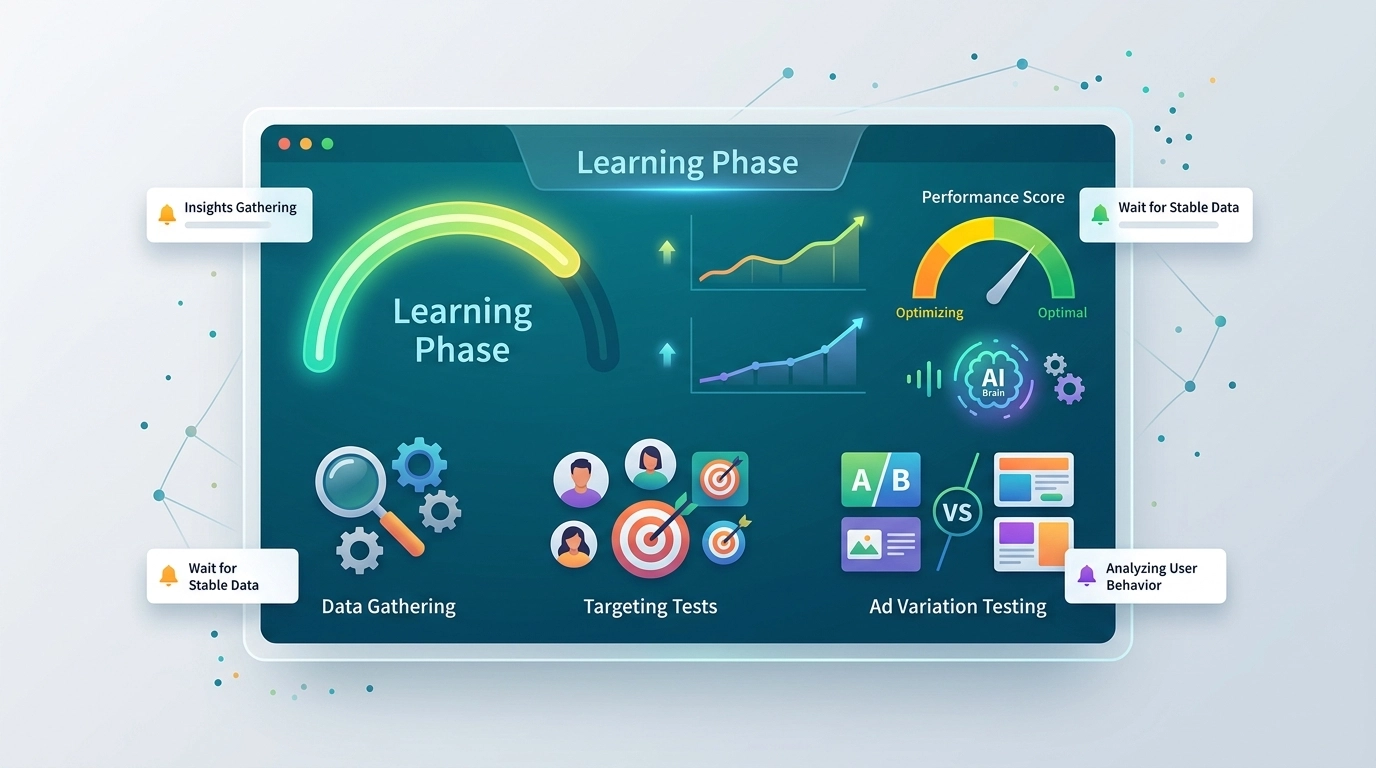
AI needs time to learn. When you start a new campaign, the AI is testing different audiences and placements. This is called the "Learning Phase." During this time, your results might be bad.
Many business owners panic. They see money going out and nothing coming in, so they turn the ads off after three days. This resets the machine to zero. You just paid for data and then threw it away.
How to fix it:
Be patient. Give a new AI campaign at least two weeks before you make big changes. The machine needs to fail a little bit so it can learn how to win. If you keep changing things, the AI never gets smart enough to help you.
7. Ignoring Local Context
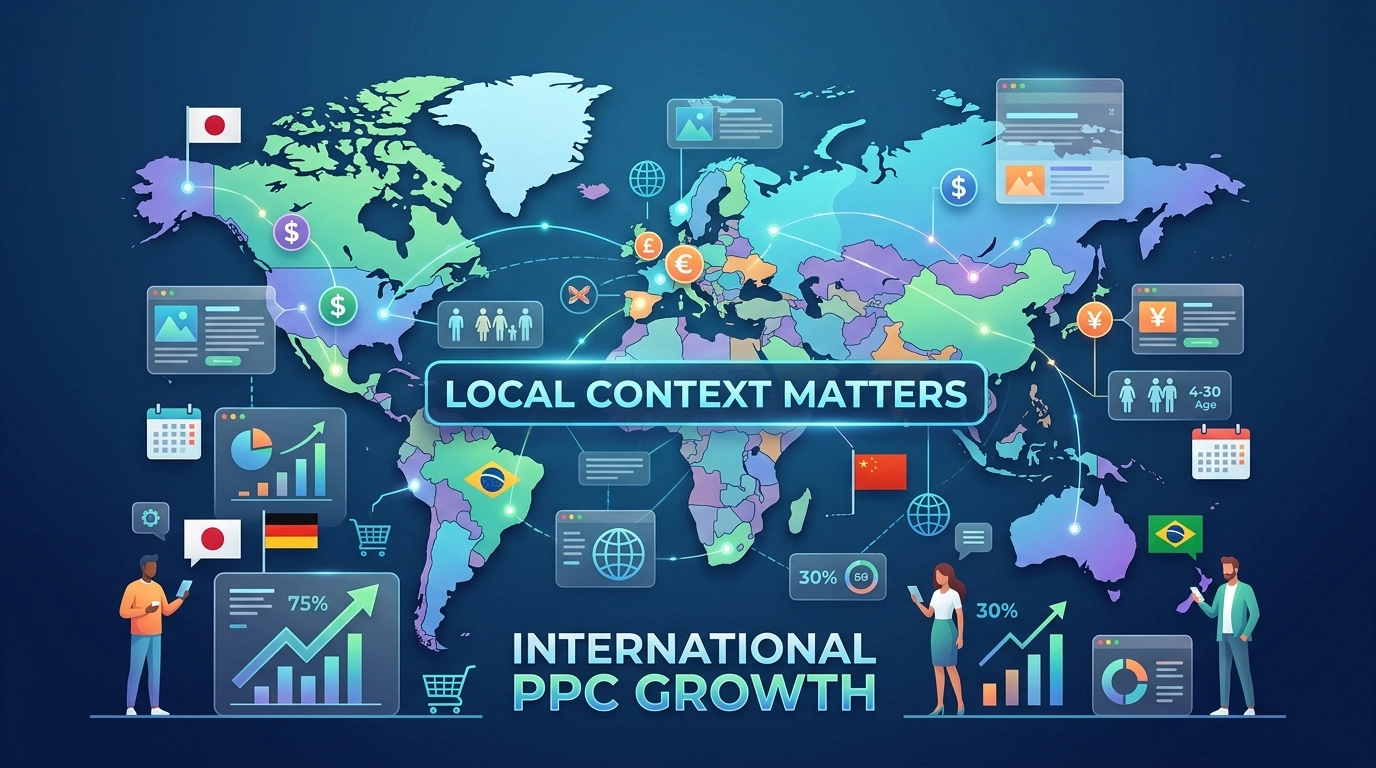
If you want to sell in different countries, you cannot just let the AI translate your ads. A joke in the US might be an insult in Japan. People in different countries search differently.
The AI might translate the words correctly, but it misses the "feel" of the market. It might use the wrong currency or show products that aren't popular in that region. This makes your business look like an outsider.
How to fix it:
This is where localization matters. You need to check your AI-generated ads for cultural fit. Make sure your landing pages match the local expectations. If you are growing globally, you need a strategy that understands these differences.
How to Get Better Results
AI-powered ads are a tool, not a strategy. To grow your small business, you need to stay in the driver's seat.
Check your numbers every week. Watch out for "junk traffic." Make sure your ads look like they came from a human, not a computer. Most importantly, give the AI the time and data it needs to work.
If you are trying to reach customers in other countries, things get even more complex. Managing ads across different platforms and languages takes a lot of work. You don't have to do it all by yourself.
At International PPC, we help businesses navigate these global markets. We make sure your ad budget works hard and reaches the right people, no matter where they are.
Please reach out if you want to grow your business without wasting your budget on AI mistakes. We can help you build a campaign that actually speaks to your audience.