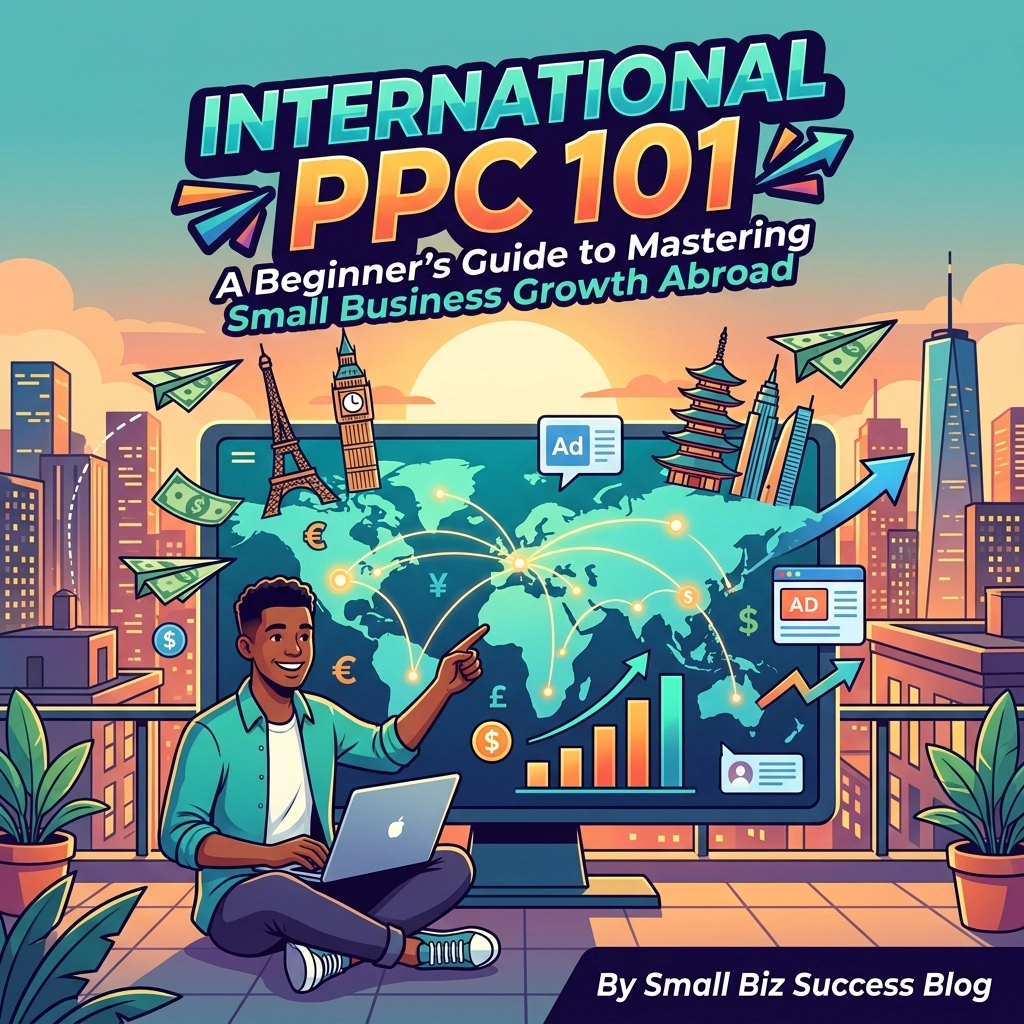
Small businesses often hit a ceiling in their home country. There are only so many people to sell to. To keep growing, you have to look at the rest of the map. This is where international PPC comes in. PPC stands for pay-per-click. It is a type of online advertising where you pay a fee each time someone clicks your ad.
International PPC lets you show your products to people in different countries. You can reach new customers in London, Tokyo, or Mexico City from your desk. It is a powerful way to scale. But it is not as simple as flipping a switch. You need a plan. This guide will help you understand the basics of growing your business abroad with International PPC.
Why Small Businesses Should Go Global
Growth is the main reason. The world is full of buyers. Many markets are less crowded than the United States or the United Kingdom. This means ads might be cheaper in other places.
If you sell a niche product, your local audience might be small. When you add other countries, that audience gets much bigger. It spreads your risk too. If the economy is bad in one country, you still have sales coming from others.
Finding Your Best Market
Do not try to sell to every country at once. That is a quick way to lose money. Start with one or two new spots.
How do you pick? Look at your current data. Check your website analytics. See if people from other countries are already visiting your site. If people in Australia are reading your blog, they might want to buy your products.
Think about shipping and rules. Selling digital goods is easy. Shipping heavy boxes to another continent is hard. Make sure you can actually get your product to the customer before you run ads.

Language and Localization
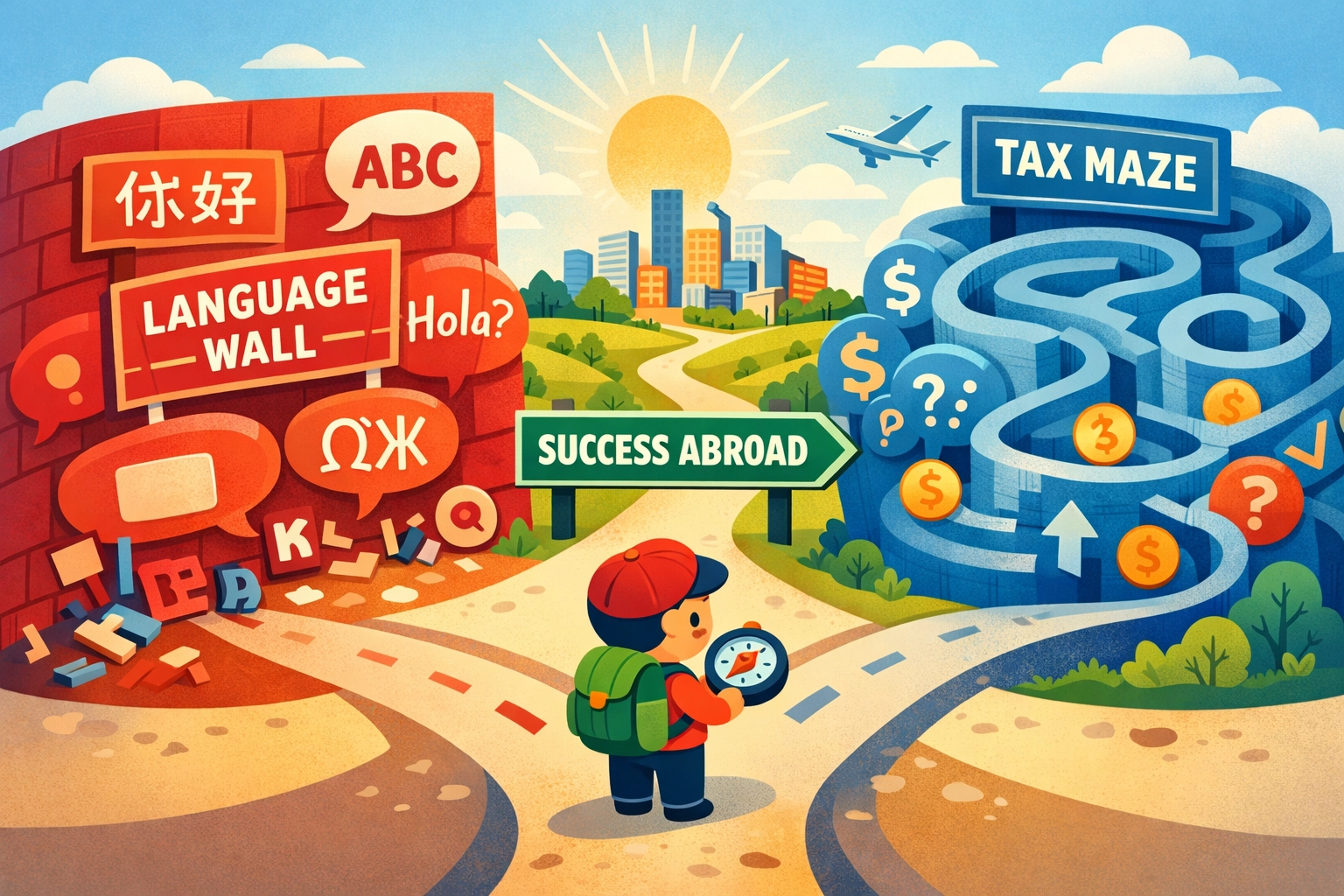
Language is the biggest hurdle. Many people make the mistake of using a simple translator. They take their English ads and swap the words. This usually fails.
Localization is better than translation. Localization means making your ads feel local. It uses the right slang and cultural cues. For example, "chips" means something different in the US than it does in the UK.
If you use the wrong words, people will not trust you. They will see you as a stranger trying to take their money. To succeed, hire a native speaker. They can help you write ads that sound natural. This builds trust. Trust leads to clicks and sales.
Picking the Right Ad Platform
Most people think of Google Ads first. Google is huge in many parts of the world. It is a great place to start. But it is not the only option.
In some countries, other platforms are more popular. In China, people use Baidu. In Russia, Yandex is big. If you want to reach people in those spots, you must use their platforms.
Social media ads are also great for international growth. Facebook and Instagram work well in many countries. They let you target people based on what they like. This is helpful if your product is visual or solves a specific lifestyle problem.
Setting Your Budget and Bids
Money works differently when you cross borders. You have to think about currency. Most ad platforms let you set your budget in your own currency. But the cost of a click will vary.
A click in a wealthy country like Switzerland will cost more than a click in a developing market. You need to adjust your bids. If you bid too low in an expensive market, no one will see your ads. If you bid too high in a cheap market, you waste money.
Watch the exchange rates. If your currency gets weaker, your ads become more expensive. You must check your accounts often to make sure you are still making a profit.
The Basic PPC Process for New Markets
The steps for international ads are similar to local ads. But you must be more careful at each stage.
- Set a Goal: Do you want sales, leads, or just people to know your name?
- Targeting: Pick your countries. Pick the languages. Choose the time of day. Remember, your customers might be sleeping when you are awake.
- Keywords: Find what people search for in that country. Do not just translate keywords. Use local tools to see real search volume.
- Create the Ad: Use your localized copy. Make sure the images fit the culture.
- Landing Page: This is where people go after they click. This page must also be in their language. It should show prices in their currency.
- Run and Watch: Start your ads. Look at the numbers every day.
Using AI to Grow Faster
AI is changing how we do PPC. It can help you find new audiences. It can even help with translation. But do not let AI do everything.
AI is good at looking at data. It can see patterns that humans miss. It can tell you which ads are performing best. This saves you time. For a small business owner, time is the most valuable thing you have. You can use AI to automate the boring parts so you can focus on your big strategy.

Handling Time Zones and Customs
Small businesses often forget about time zones. If you run a "limited time offer" that ends at midnight, which midnight is it? Your midnight or the customer's?
Make sure your ad schedule matches when your customers are active. If you have a chat bubble on your site, make sure someone is there to answer. If a customer in France asks a question at 10 AM their time, and you are asleep in New York, you might lose the sale.
Also, be clear about shipping and taxes. No one likes a surprise bill for customs duties. Tell your customers exactly what they will pay. This keeps them happy and prevents returns.
Tracking Your Success
You must know if your ads are making money. This is called ROI (Return on Investment).
Tracking is harder with international PPC. You have to account for different currencies and different tax rules. Use tracking tools to see exactly where your sales come from. If one country is not making money after a few months, stop your ads there. Move that money to a country that is doing well.
Common Mistakes to Avoid
- Assuming everyone is like you: Different cultures value different things. Some care about price. Some care about quality or status.
- Ignoring local laws: Some countries have strict rules about what you can say in ads. Make sure you follow the local law.
- Not testing: You must test different ad versions. What works in Canada might not work in Ireland.
- Bad landing pages: If your ad is in Spanish but your website is in English, people will leave immediately.
Summary Checklist for Beginners
If you are ready to start, follow this list:
- Check your data to find a good market.
- Make sure you can ship your product there.
- Localize your ads with a native speaker.
- Pick the right platform for that country.
- Set a budget and watch the currency.
- Make a landing page in the local language.
- Use AI tools to help with the data.
- Track every click and sale.
International PPC is a big step for any small business. It takes work and patience. You will make mistakes at first. That is okay. The goal is to learn and get better. By reaching out to the world, you can find more customers and build a bigger business.
For more help with your marketing strategy, visit the International PPC blog or contact our admin team. We help small businesses find their place in the global market.
Starting small is fine. The important thing is to start. The world is waiting to see what you have to offer. Catch you in the next post!