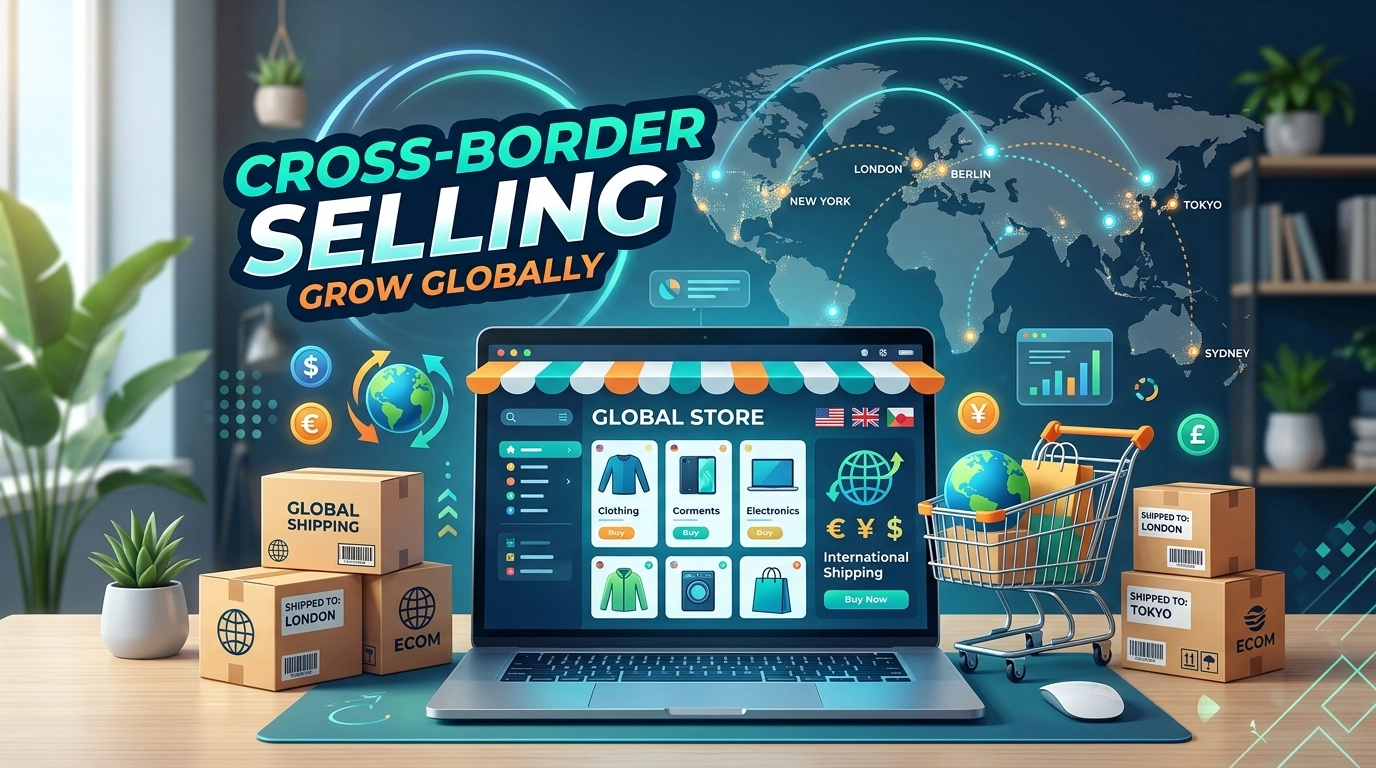
Selling your products in other countries is a huge opportunity. Many small business owners think global sales are only for giant companies. That is not true anymore. Today, any brand can sell to people across the world. You just need the right plan and the right tools.
The world is full of people looking for what you sell. If you only sell in your own country, you are missing out on millions of customers. Cross-border selling means sending your goods across a border to a buyer in another country. It sounds big, but it is very doable.
In this guide, we will talk about how to start and how to win. We will look at picking markets, talking to locals, and getting your ads right.
Why Go Global Now?
Right now, the internet makes the world small. People in Singapore or Germany can find your website in seconds. E-commerce platforms like Shopify make it easy to show prices in different currencies. Shipping companies have better tracking than ever before.
Growth at home can be slow. When you sell to new countries, you find new groups of people who want your items. It helps your business stay safe if one market has a bad year. You have other markets to keep things moving.
Step 1: Pick the Right Places to Sell
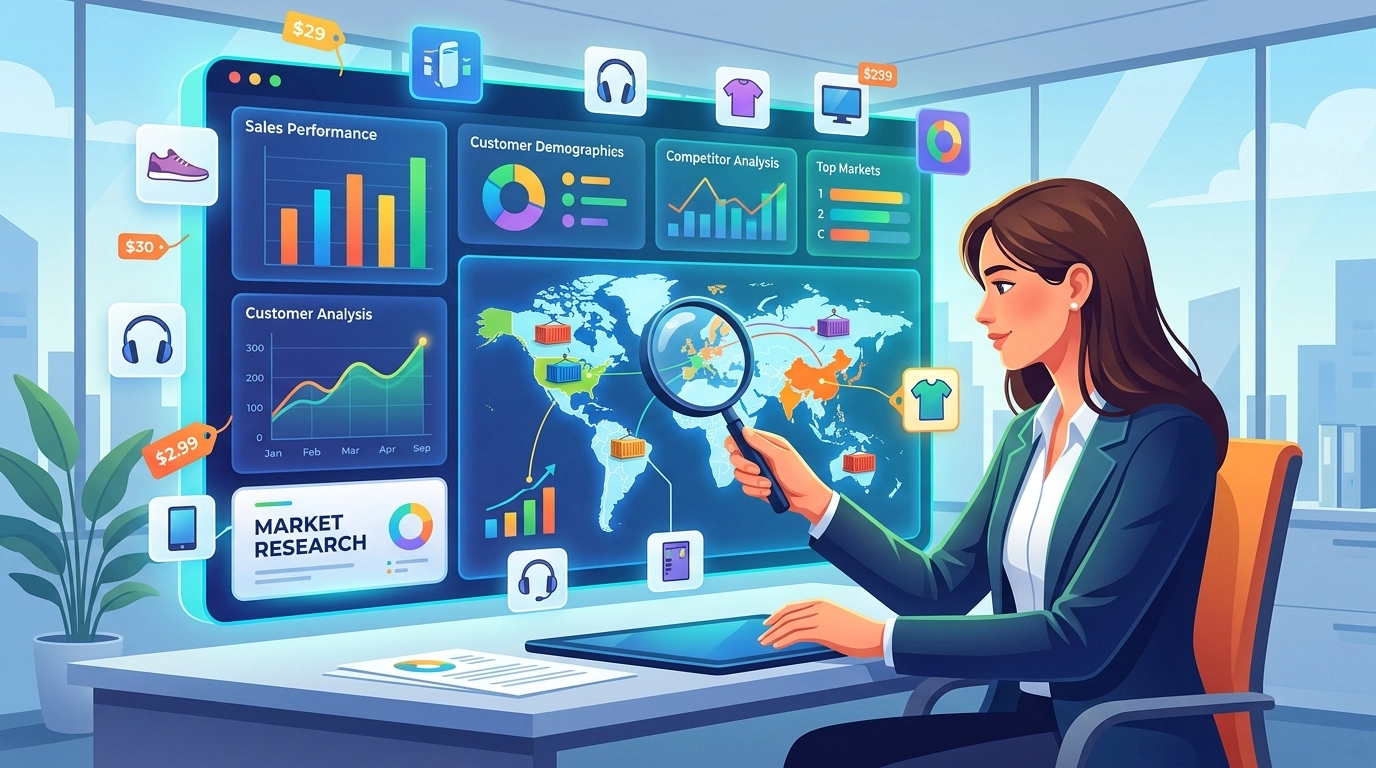
You cannot sell everywhere at once. That would cost too much money and time. You need to pick 2 or 3 markets to start.
Look at Your Data
Check your current website traffic. Are people from other countries already visiting your site? If you see a lot of visitors from Canada or Australia, those are good places to start. They speak the same language, which makes things easier.
Research the Competition
Who else is selling what you sell in those countries? Look at their prices. Look at their ads. If the market is too full, it might be hard to stand out. If no one is selling there, you might have found a hidden gem.
Test Before You Spend Big
Try running small ads on Facebook or Instagram in a new country. Spend maybe $500 to see if people click and buy. This is called validation. It tells you if people actually want your product before you build a whole warehouse there.
Step 2: Localization is More Than Translation
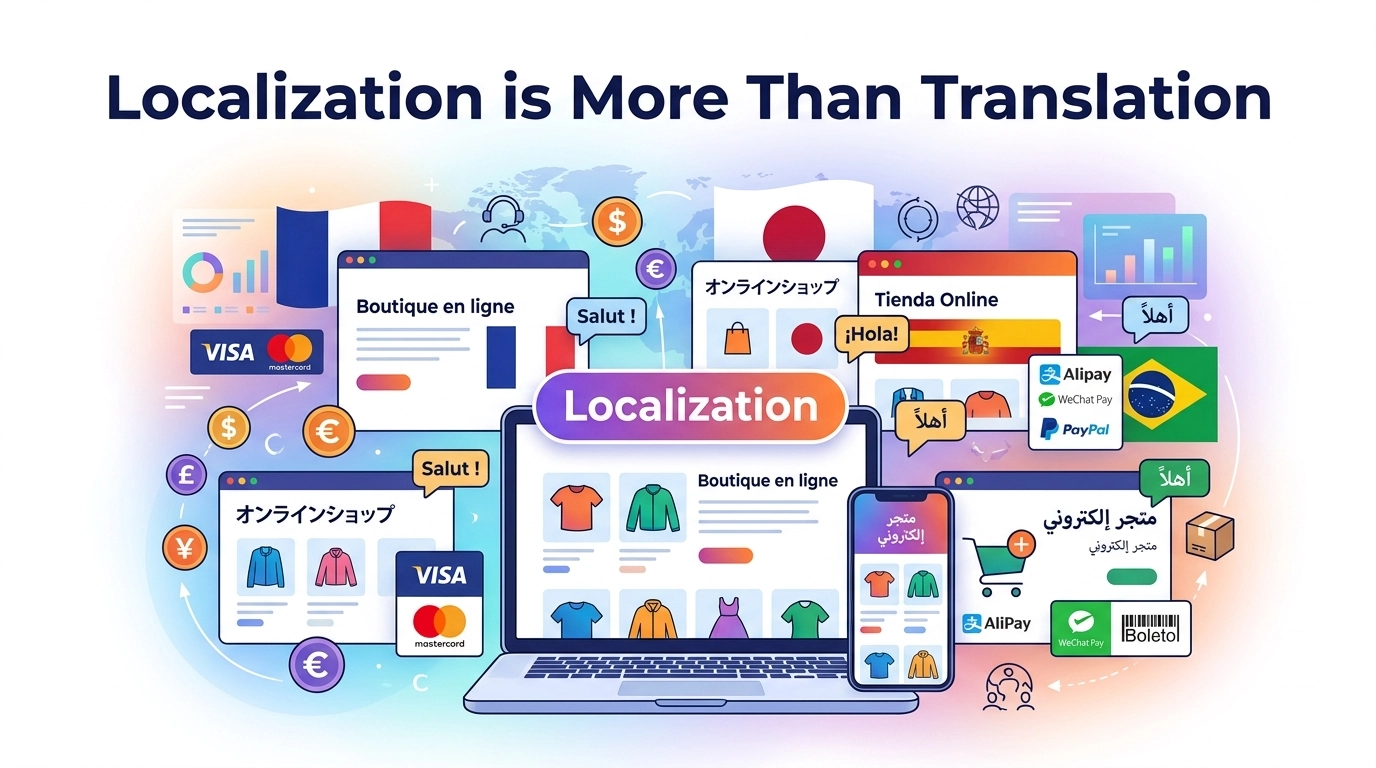
Many people think they just need to change the words on their site. That is a mistake. Translation is just changing words from one language to another. Localization is making your brand feel like a local brand.
Speak the Language
If you sell in Mexico, use Mexican Spanish. If you sell in Spain, use Spanish from Spain. There are big differences. Using the wrong words can make you look like you don't care.
Show Local Prices
No one wants to do math while they shop. If I am in the UK, I want to see prices in Pounds. Use a tool that shows the exact cost including taxes. Unexpected fees at the end of a checkout are the biggest reason people leave without buying.
Payment Methods
In the US, most people use credit cards or PayPal. In other countries, they might use different apps. For example, many people in the Netherlands use iDEAL. If you do not offer the payment method they trust, they will not buy from you.
Step 3: Getting Your Ads Right
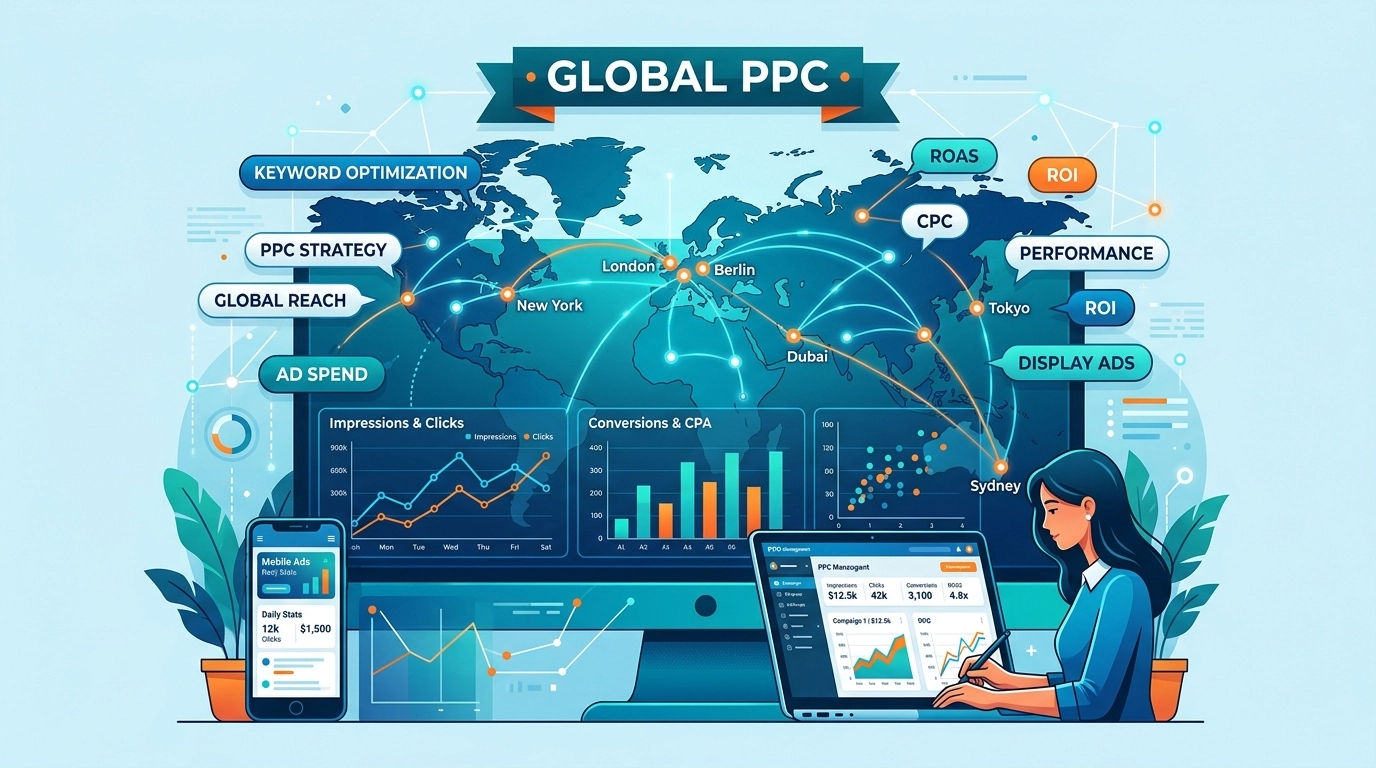
Paid search is the fastest way to reach new customers. But you cannot use the same ads for every country. This is where International PPC comes in.
Use the Right Platforms
Google is huge in many places. But in some countries, other sites are bigger. In South Korea, people use Naver. In China, they use Baidu. If you only use Google, you might miss your best customers.
Local Keyword Research
People search for things differently depending on where they live. A "sweater" in the US is a "jumper" in the UK. If you bid on the word "sweater" in London, you might pay for clicks that don't lead to sales. You need to find the words that local people actually type into the search bar.
Separate Your Campaigns
Do not put all your countries into one big ad group. Each country should have its own budget and its own ads. This lets you see exactly where your money is going. You can spend more in the countries that give you the most profit.
Step 4: Shipping and Logistics
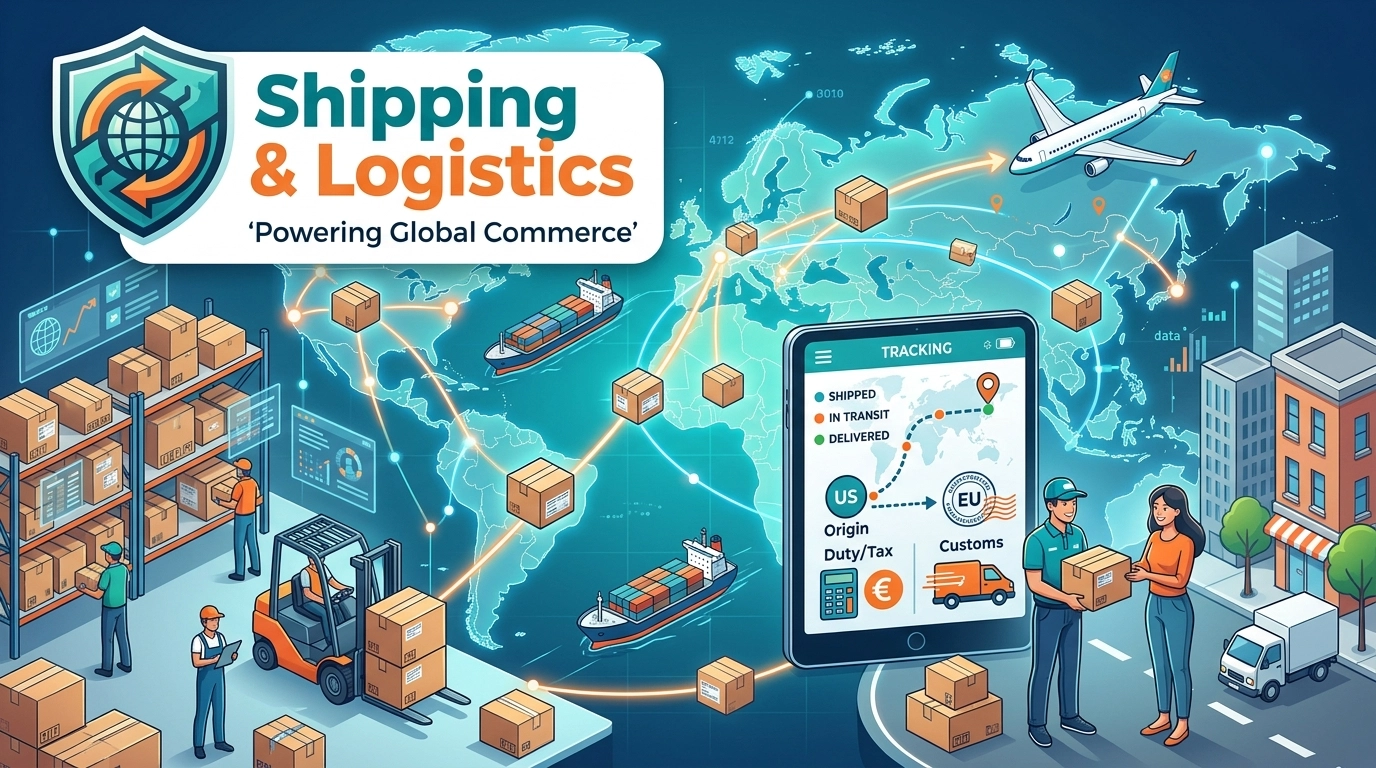
You have to get the product to the customer. This can be the hardest part for a small business.
Shipping Times
Be honest about how long it will take. If a package takes two weeks to arrive, tell the customer. Most people are okay with waiting if they know what to expect.
Duties and Taxes
Every country has its own rules about taxes. Some tools, like Global-e, help you figure this out. They can show the customer the final price with all taxes included. This prevents "sticker shock" when the package arrives.
Handling Returns
What happens if someone wants to send an item back? Shipping a shirt back across the ocean is expensive. Some businesses use local warehouses or partners to handle returns. This makes the customer happy and saves you money.
Step 5: Why You Need Expert Help
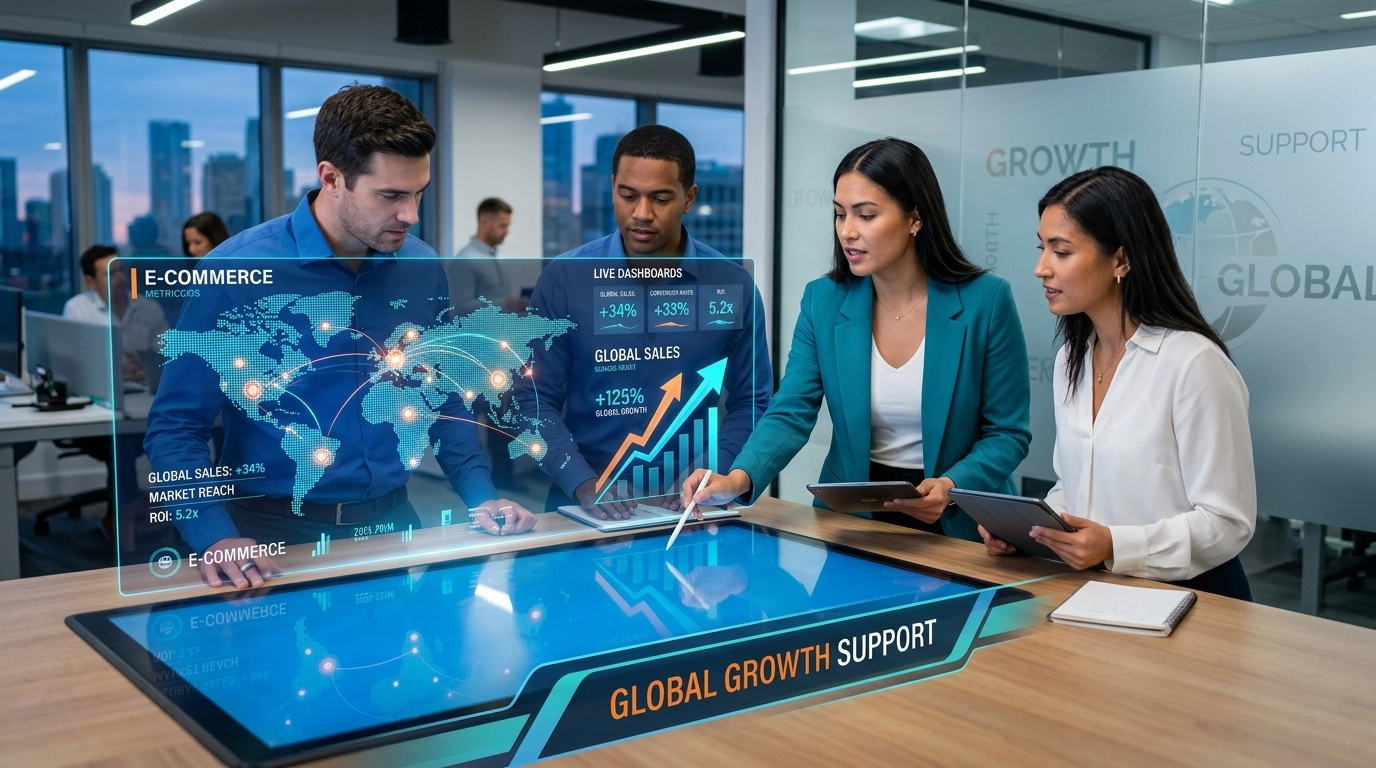
Running ads in five different languages is a lot of work. You have to watch the bids, check the translations, and follow the local laws. It is easy to waste a lot of money if you make a mistake.
At International PPC, we help businesses grow in other countries. We know how people search in different parts of the world. We make sure your ads reach the right people without wasting your budget.
Managing ads across Google, Bing, and other sites takes time. You should focus on making great products. Let experts handle the complex work of international advertising.
Tips for Success in 2026
- Be Mobile First: In many countries, people only shop on their phones. Make sure your website works perfectly on a small screen.
- Use Social Proof: Show reviews from people in the same country. If I am in France, seeing a review from another person in France makes me trust you more.
- Be Fast: If you can, find a way to ship items quickly. Speed is a huge selling point.
- Watch the News: Local holidays or events can change how people shop. Make sure your ads match what is happening in that country.
Start Small and Grow Fast
You do not need to be a giant corporation to sell globally. Start with one new market. Get your website ready. Set up your local ads. Once you see success, move to the next country.
The world is waiting for your products. With the right help and a good plan, you can turn your small business into a global brand.
If you want to learn more about reaching customers around the world, check out our services at International PPC. We help you make sense of the complex world of global ads so you can focus on growing your company.